
Call: 07971990098
 Send Inquiry
 Send Inquiry
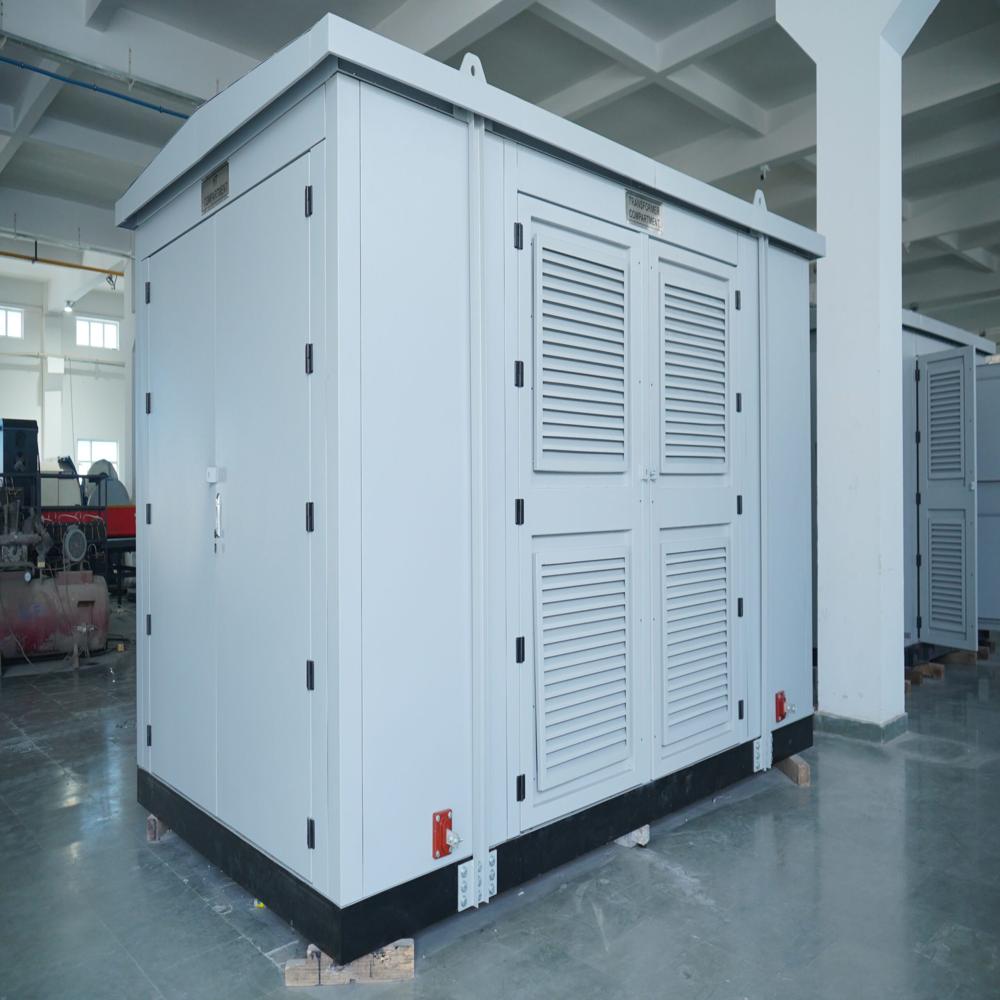
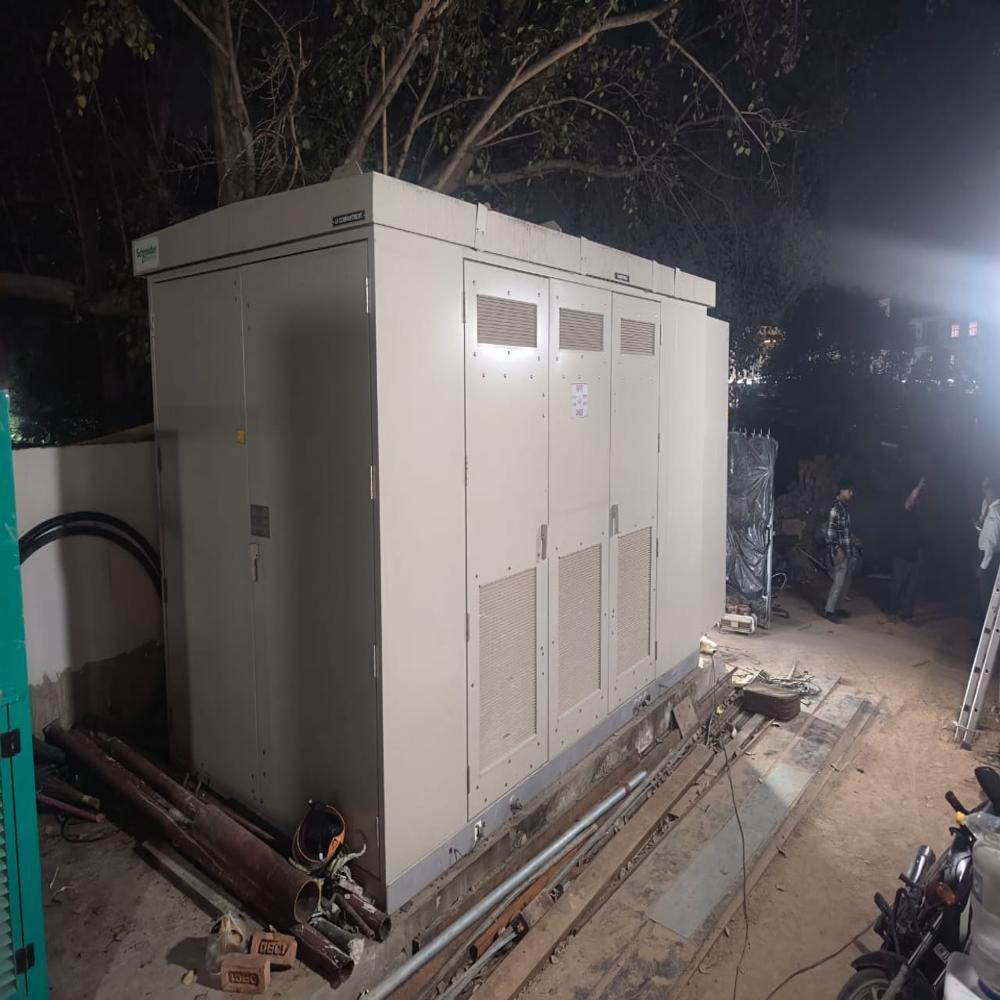
Packaged Substation
Price 500000.0 INR/ Unit
MOQ : 1 Unit
Packaged Substation Specification
- Rated Short Circuit Making Current
- 50 63 kA Ampere (A)
- Rated Short Circuit Breaking Current
- 20 25 kA Ampere (A)
- Phase
- Three Phase
- Product Type
- Other
- Function
- Power Transformation, Switching & Distribution
- Rated Voltage
- 11 33 kV Volt (V)
- Rated Current
- 630 2500 Ampere (amp)
- Rated Frequency
- 50 Hertz (HZ)
- Warranty
- 12-24 Months
- Temperature Protection
- Available (with protection relays) Celsius (oC)
- Usage & Applications
- Urban Distribution, Commercial Complexes, Industries, Infrastructure and Substation Projects
- Weight
- 1500-5000 Kilograms (kg)
- Conductor
- Copper / Aluminium Busbar
- Material
- Galvanized Steel / Stainless Steel Enclosure
About Packaged Substation
Reliable Power Transformation and Distribution
Packaged Substations offer an integrated solution for seamless power transformation, switching, and distribution. Engineered for both urban and industrial environments, these substations handle high currents (630-2500A) and operate safely under rated short circuit conditions. The combination of robust enclosures and advanced temperature protection ensures dependable operation, reducing risks of faults or interruptions in your electricity supply.
Versatile Applications Across Sectors
With flexibility to support copper or aluminium busbars, these substations are ideal for diverse applications, from commercial complexes to industrial sites and expansive infrastructure projects. The wide voltage range (11-33 kV) means they adapt easily to multi-scenario requirements, simplifying deployment and ensuring broad utility across various power networks in India.
Enhanced Safety and Durability
Built with galvanized steel or stainless-steel enclosures, these substations stand resilient even in challenging environments. Temperature protection via advanced relays maintains operational safety, while compliance with stringent rated current and short-circuit handling standards ensures both operational continuity and equipment longevity.
FAQ's of Packaged Substation:
Q: How does the packaged substation ensure safe operation during high fault currents?
A: The packaged substation is designed to handle high fault currents with rated short circuit breaking capacity of 20-25 kA and making current of 50-63 kA. Advanced protection relays monitor temperature and trip the system in abnormal conditions, ensuring safety and minimizing equipment damage.Q: What benefits do galvanized steel or stainless-steel enclosures offer in this substation?
A: Galvanized steel or stainless-steel enclosures provide excellent corrosion resistance and mechanical durability. This ensures long-lasting protection for internal components, making the substation suitable for harsh urban, industrial, or outdoor environments.Q: When is a packaged substation the preferred solution for distribution projects?
A: A packaged substation is ideal when there is a need for swift installation, space-saving deployment, and centralized power management. It is especially preferred in urban developments, commercial complexes, industrial areas, or infrastructure projects that require compact yet robust power solutions.Q: Where can this substation model be installed and operated safely?
A: This substation is suitable for indoor and outdoor installation in urban distribution networks, commercial buildings, industrial facilities, infrastructure projects, and dedicated substation projects across India. Its design adheres to safety and environmental requirements for a wide range of applications.Q: What is the process for installing a packaged substation?
A: Installation typically involves site preparation, securing the foundation, positioning and anchoring the substation, making electrical connections for three-phase power, and commissioning safety systems including temperature protection relays. Final checks ensure compliance with rated voltage and current requirements before system activation.Q: What advantages does using copper or aluminium busbars provide?
A: Copper busbars offer superior conductivity and lower energy losses, while aluminium busbars present a cost-effective, lightweight alternative. The choice allows flexibility based on project requirements and budget without compromising on performance or safety.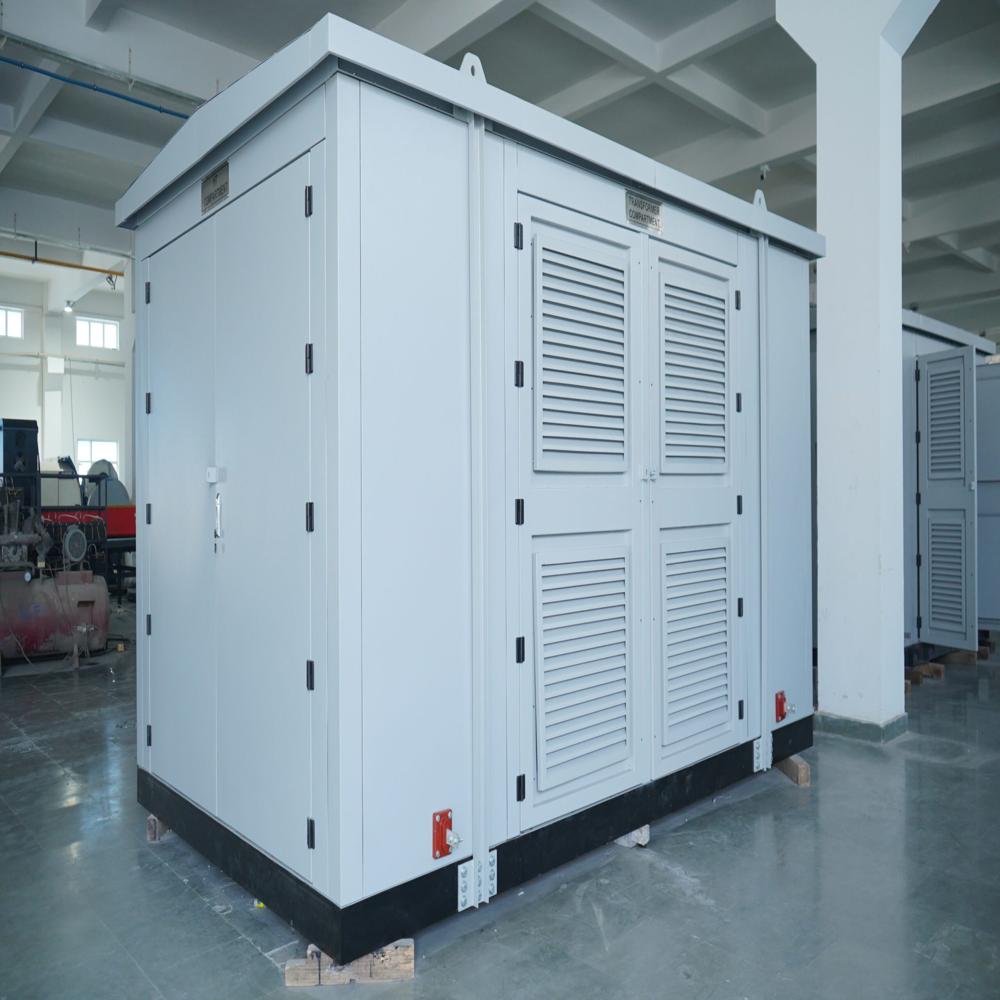
Tell us about your requirement

Price:
Quantity
Select Unit
- 50
- 100
- 200
- 250
- 500
- 1000+
Additional detail
Mobile number
Email

More Products in Switchgear products Category
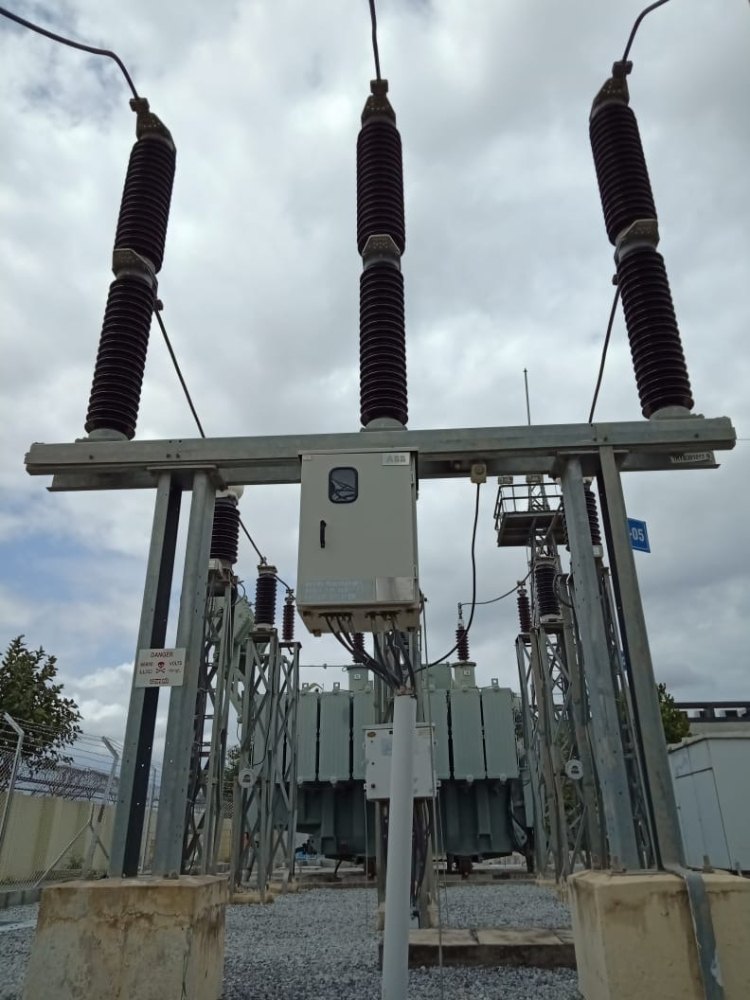
Sf6 Circuit Breaker
Price 600000.0 INR / Piece
Minimum Order Quantity : 1 Piece
Rated Voltage : 72.5400 kV Volt (V)
Poles Number : 3
Rated Current : 630 3150 Ampere (amp)
Warranty : 12 24 Months
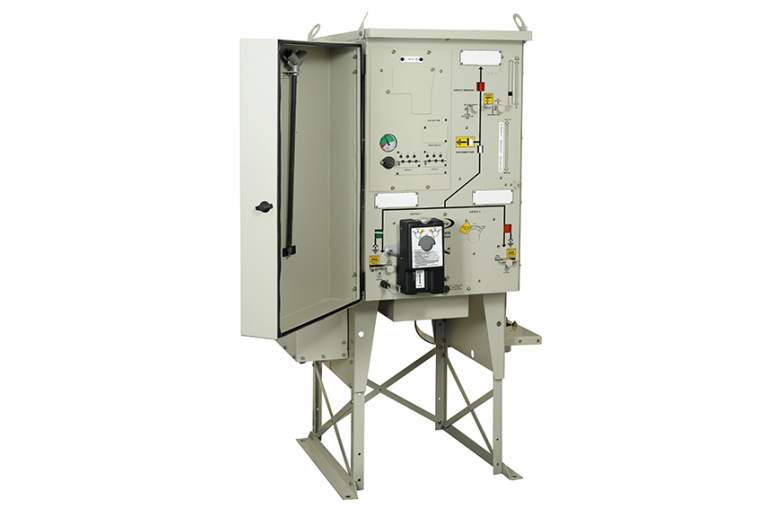
Ring Main Unit
Price 100000.0 INR / Piece
Minimum Order Quantity : 10 Pieces
Rated Voltage : 1124kV Volt (V)
Poles Number : 3
Rated Current : 630 1250 Ampere (amp)
Warranty : 1224 Months
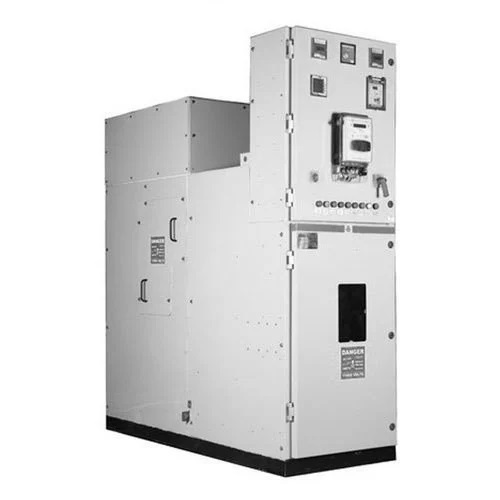
Indoor VCB Panel
Price 50000 INR / Piece
Minimum Order Quantity : 10 Pieces
Rated Voltage : 415 Volt (V)
Warranty : 1 Year
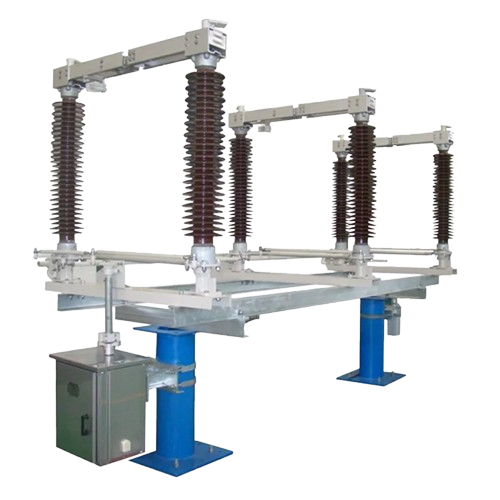
66kV Substation Isolator
Price 100000.0 INR / Unit
Minimum Order Quantity : 1 Unit
Rated Voltage : 66kV Volt (V)
Poles Number : 3
Rated Current : 800 2000 Ampere (amp)

Contact Details
ESS BEE ELECTRICALS
GST : 07HQUPB1047K1ZI
- B No 449, Bhera Enclave, Paschim Vihar, New Delhi - 110087, India
- Phone :07971990098
 Send Inquiry
Developed and Managed by Infocom Network Private Limited.
