
Call: 07971990098
 Send Inquiry
 Send Inquiry
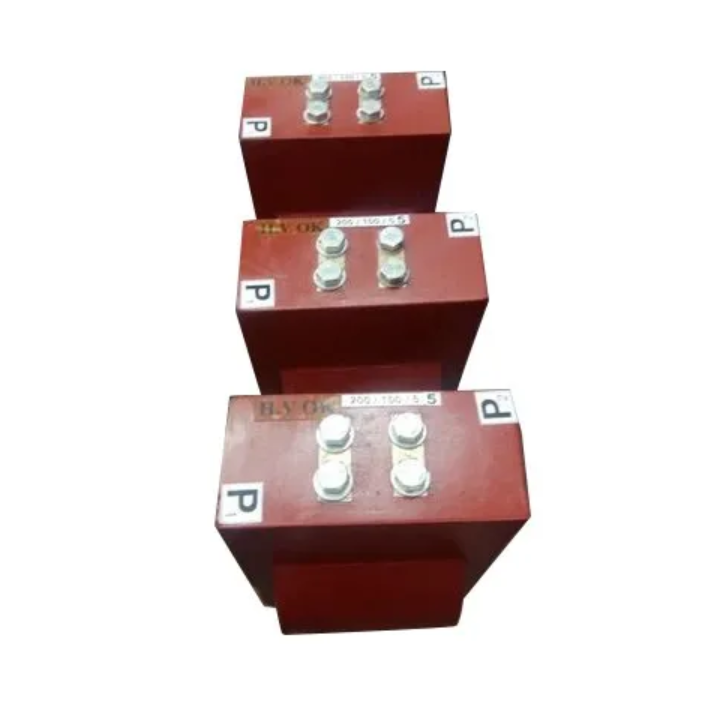
Current transformer (CT)
Price 7000.0 INR/ Unit
MOQ : 1 Unit
Current transformer (CT) Specification
- Rated Voltage
- 11220 kV Volt (V)
- Product Type
- Current Transformer
- Frequency (MHz)
- 50 Hertz (HZ)
- Usage
- Metering & Protection in Substations, Switchyards, Industrial Systems
About Current transformer (CT)
A Current Transformer (CT) is an essential instrument transformer used in electrical power systems for measurement and protection purposes. It is designed to step down high primary current to a lower, standardized secondary current (typically 1 A or 5 A) suitable for metering instruments, relays, and control equipment. CTs ensure accurate current measurement while providing electrical isolation between high-voltage circuits and low-voltage control systems, enhancing safety and reliability.
Current transformers are available in various types such as indoor and outdoor, oil-filled, resin cast, and gas-insulated designs to suit different voltage levels and installation requirements. They can be configured with metering cores for precise energy measurement and protection cores for fault detection and system protection. Designed with high-quality core materials and advanced insulation systems, CTs offer excellent accuracy, thermal stability, and long service life.
These transformers comply with international standards such as IEC 61869 and are capable of withstanding short-circuit currents and harsh environmental conditions. Widely used in substations, switchyards, industrial plants, and power distribution networks, current transformers play a critical role in monitoring, protection, and efficient operation of electrical systems.
Reliable Metering and Protection
Our current transformers provide exceptional accuracy for metering and protection applications, essential in maintaining operational safety and efficiency within substations, switchyards, and industrial settings. With rated voltage capacities ranging from 11 kV to 220 kV, these CTs offer dependable performance even under demanding circumstances.
Adapted for High-Voltage Systems
Designed specifically for the Indian power sector, our CTs function flawlessly at 50 Hz and are suitable for a wide range of high-voltage utilities. The robust construction ensures reliability, while the advanced insulation techniques allow safe and secure operation in environments with rigorous voltage requirements.
FAQ's of Current transformer (CT):
Q: How does a current transformer (CT) contribute to metering and protection in substations?
A: A CT steps down high primary currents to a manageable level for meters and protective devices, enabling precise measurement and timely fault detection. This ensures the safety and accuracy necessary for modern substations and switchyards.Q: What voltage and frequency ranges do these current transformers support?
A: These CTs are suitable for rated voltages from 11 kV to 220 kV and a frequency of 50 Hz, making them ideal for both medium and high-voltage power networks commonly found in India.Q: When should current transformers be installed in industrial systems?
A: Current transformers should be installed during initial setup or upgrades of metering and protection systems, especially in environments where high-voltage monitoring is critical for safety and operational efficiency.Q: Where are these CTs typically used?
A: These CTs are widely used in substations, switchyards, and large industrial power systems, where reliable current measurement and fault protection are paramount to maintaining grid stability.Q: What is the installation process for a current transformer in high-voltage applications?
A: Installation generally involves mounting the CT on the primary bus or cable, connecting secondary wiring to meters or relays, and verifying insulation and grounding to ensure optimal performance and safety.Q: How can using high-quality CTs benefit a power distribution system?
A: Deploying reliable CTs helps maintain accurate energy accounting, enhances protection mechanisms, reduces equipment damage from electrical faults, and supports overall grid reliability.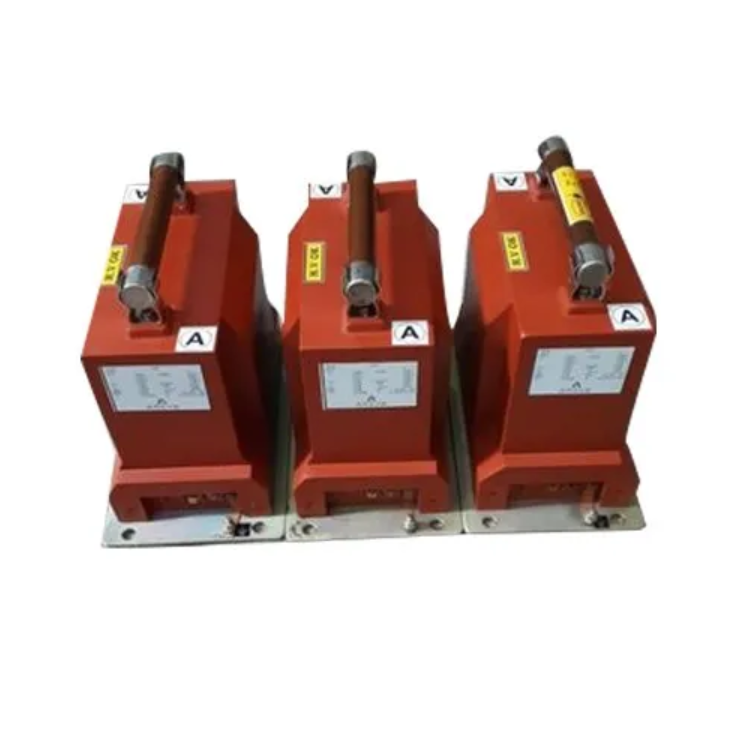
Tell us about your requirement

Price:
Quantity
Select Unit
- 50
- 100
- 200
- 250
- 500
- 1000+
Additional detail
Mobile number
Email

More Products in Current and Potential Transformer Category
Potential Transformer (PT)
Price 7000 INR / Unit
Minimum Order Quantity : 1 Unit
Load Loss : Low (As per IS/IEC Standards)
Low Voltage : 110 V (Secondary Output)
High Voltage : Up to 33,000 V
Capacity : 1 VA to 500 VA

Contact Details
ESS BEE ELECTRICALS
GST : 07HQUPB1047K1ZI
- B No 449, Bhera Enclave, Paschim Vihar, New Delhi - 110087, India
- Phone :07971990098
 Send Inquiry
Developed and Managed by Infocom Network Private Limited.
